How to Install a vCenter (VCSA) 6.5 U2d

As we are all aware vCenter is at the heart of our vSphere environments. Whether deploying a lab or a net new datacenter with vSAN/VxRail, you will require a new vCenter.

Before I begin, embedded vs external Platform Services Controller (PSC). I say treat any net new install as embedded PSC only. VMware is in the process of eliminating the external PSC and sometime in the future you won’t be able to deploy an external. The process of taking an external and moving it ino a VCSA is a lot of work you can avoid by simply deploying an embedded PSC now.
https://blogs.vmware.com/vsphere/2018/11/external-platform-services-controller-a-thing-of-the-past.html

Getting started:
Go to your myvmware page and to downloads and download the latest vCenter ISO file. You are going to want to mount the ISO file onto your windows server. This is as smple as finding the ISO and right clicking and selecting Mount.

Windows File Explorer showing the downloaded vCenter Server Appliance ISO selected for mounting.

VCSA 6.5 Installer menu with options to install, upgrade, migrate, or restore an appliance.
Select install
Stage 1 deployment wizard introducing the vCenter Server Appliance installation steps.
Stage 1 installer displaying the VMware end user license agreement before deployment continues.
VCSA deployment-type step with vCenter Server and an embedded Platform Services Controller selected.
Remember to select embedded PSC
Stage 1 form requesting the target ESXi host or vCenter Server and root credentials for appliance deployment.
Now enter in your name of your vCenter/Host and the root password of the target you want the VCSA deployed

Next you will choose which folder you want the vCenter to live in and which ESXi host you want it to live on.

VCSA wizard requesting the appliance VM name and root password.
Now choose a name and root password for your new vCenter
VCSA sizing step comparing CPU, memory, storage, host, and VM capacity for deployment sizes.
Choose the size of your vCenter. I find Large fits many environments

Next you will choose which data store you want the vCenter to live on.
Finally, you will put in the necessary network information for your vCenter:

  • Network: network you want new vCenter to live on
  • System name: name of your vCenter
  • IP: the static IP you want to assign your vCenter
  • Subnet mask:
  • Default gateway:
  • DNS server:
Stage 1 installer initializing deployment of vCenter Server with an embedded Platform Services Controller.
Installer confirmation that the vCenter Server appliance with embedded Platform Services Controller deployed successfully.
Stage 2 wizard introducing appliance configuration, SSO, CEIP, and final setup steps.
Stage 2 appliance configuration for NTP time synchronization, NTP servers, and SSH access.
Stage 2 SSO form for creating a new domain or joining an existing domain with administrator credentials and site name.
Either join to an existing SSO domain or create a new one
Stage 2 option to join or decline the VMware Customer Experience Improvement Program.
Stage 2 progress screen while vCenter services start and the VMware Authentication Framework is configured.
Installer confirmation that the vCenter Server Appliance was set up successfully.
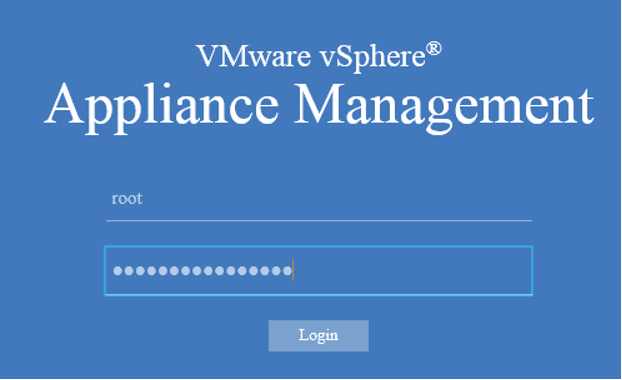
VMware vSphere Appliance Management login screen for the newly deployed vCenter Server.

Congratulations. You now have a new vCenter server deployed into your environment. My next blog will be on upgrading your existing vCenter server. I hope everyone found this useful.


Continue reading

Upgrade vCenter with external PSC to 6.5 U2b

Explore another guide in this topic and build on what you have just read. Read the article

Leave a Reply

Discover more from Digital Thought Disruption

Subscribe now to keep reading and get access to the full archive.

Continue reading